Menu

Our actions

Healthcare

In India, inequalities in access to healthcare and health education still expose millions of families to illnesses or health problems, sometimes serious. Children from disadvantaged backgrounds particularly suffer from malnutrition, undetected diseases, and a lack of appropriate medical follow-up. Children with disabilities rarely receive care from birth. This compromises the effectiveness of subsequent interventions. Through our programs, we work in the heart of slums and tea plantations in various ways:

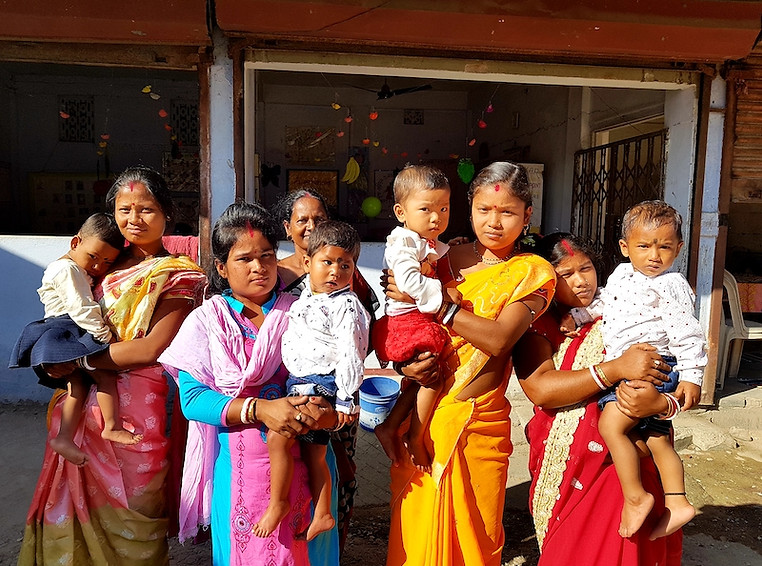
  • Support for young mothers
  • Raising awareness about nutrition issues
  • Assistance for the elderly
  • Physiotherapy and psychotherapy
  • Surgical interventions


Together, we work to give every child the foundation for a healthy life.

Indian challenges

Underprivileged populations are not aware of the basic principles of health, hygiene or disability care. Children and babies are therefore particularly exposed to malnutrition (still present in India), leading to mental and physical weaknesses, if not worse. India is still one of the countries with the highest infant mortality rate (OCDE). Many diseases are not detected, or are detected too late due to lack of monitoring (post/pre-natal), knowledge or hygiene, which results in lifelong disabilities. In West Bengal, almost 50% of pregnant women do not have 3 prenatal check-ups. In France, there is an average of ten check-ups. (Ministry of Health and family welfare, 2020).

SMCS

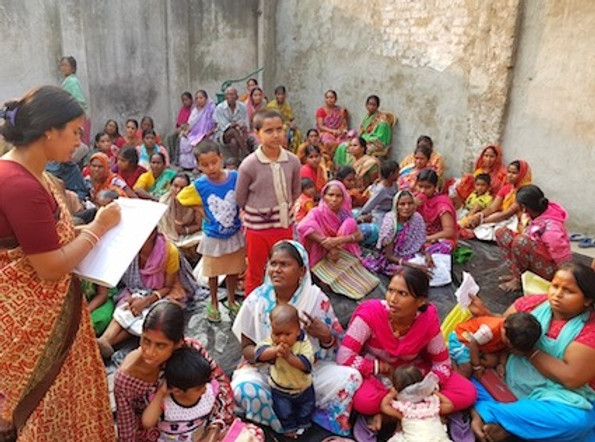
Safe Motherhood and Child Surveillance (SMCS) programme was established in 1978. The purpose is to give awareness and food help, monitoring pregnancy and the weight of the child for three years after birth. Every day, our staff goes in the slum of Howrah to monitore the pregnancy of the mother and the weight increase of the child for the first three years, together with providing awareness on health and nutrition.

Physiothérapie

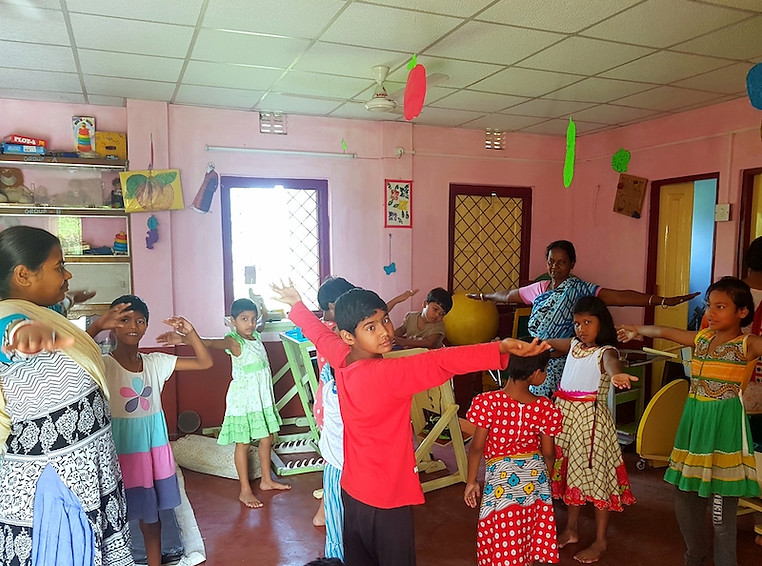
Our physiotherapy programs, located in Howrah and Jalpaiguri, cater to children from 3 months to 16 years old with cerebral palsy, motor, neuromotor, or multiple disabilities, as well as post-polio or congenital disorders. The goal is to improve children’s mobility, independence, and quality of life through personalized care.

  • Physiotherapy sessions with adapted equipment (roller skates, exercise balls, parallel bars, etc.).
  • Planning and follow-up of surgical interventions, particularly for orthopedic problems.
  • Rehabilitation for daily living skills (eating, dressing, using the toilet, etc.)
  • Advice and training for parents to continue exercises at home
  • Home visits and medical support (epilepsy, care)
  • Assistance in obtaining assistive devices, official documents, and government assistance


Sessions take place several times a week in different centers, with close monitoring of children and their families.

Psychotherapy

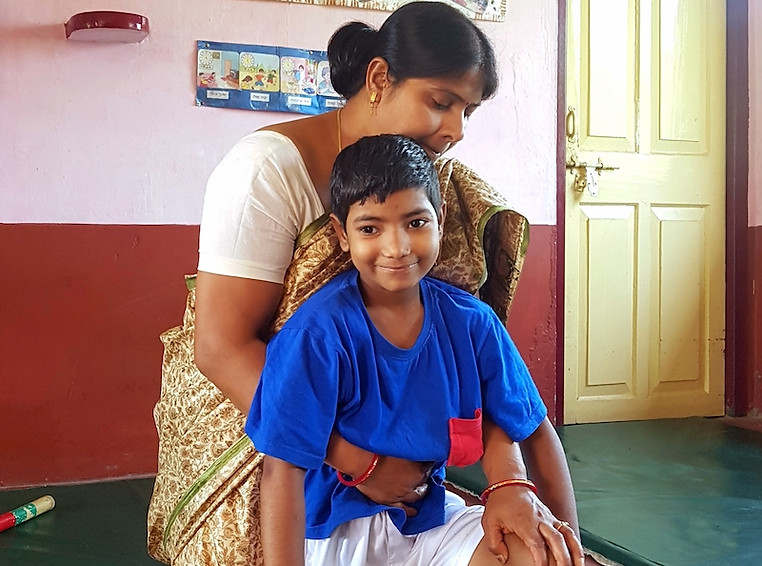
Our psychotherapy programs are primarily designed for children and young people aged 4 to 23 with developmental disorders or major disabilities (autism, intellectual disability, Down syndrome, cerebral palsy, ADHD, etc.). They aim to promote overall development, communication, motor skills, and emotional regulation through adapted approaches.

  • Psychomotor Therapy (approximately 50% of sessions).
  • Music Therapy
  • Play and Story Therapy
  • Clay Therapy and Creative Activities


These sessions complement the activities of specialized schools and are led by professionals trained to meet the specific needs of children with disabilities.

Assistance to the elderly

This program aims to provide social and economic support to elderly people who are often isolated, without resources or family support. The goal is to offer them regular assistance, a caring presence, and recognition of their dignity in the final stages of their lives.

Today, we have 165 elderly beneficiaries living in the Ashaneer (Andul Road) and EPN (Ekprantanagar) areas—among them visually impaired individuals, widows, people living with leprosy or HIV, as well as families with children with disabilities.

Main Activities:

  • Monthly or bimonthly distribution of basic food items: lentils, sugar, oil, chattu (semolina), chura (flattened rice), biscuits, etc.
  • Provision of warm clothing for winter and protection against rain and wind during the monsoon season.
  • Monthly food assistance of 500 INR per beneficiary.
  • Organization of community activities, including the World Day of the Poor, to strengthen social bonds.

This program, run by a small, dedicated team of 2 members, embodies essential human support for the most vulnerable seniors.