

At Howrah Service to the Poor, we are committed to promoting an accurate and authentic understanding of poverty in India. Too often, stereotypes define the poor and hinder the recognition of their dignity, resilience, and the structural challenges they face. This page explores four common misconceptions people often have about disadvantaged populations.
People living in poverty in India are aware of their situation, but contrary to common belief, they are not lacking initiative or determination. They often demonstrate remarkable resilience and nurture the hope of a better life for their children through education. It is precisely this aspiration that motivates families to trust HSP to enroll their children and provide a pathway to the future.
Impoverished people receive almost nothing from the system; aid is minimal or difficult to access. For example, the government provides a benefit of about €10 per month for disabled recipients, which is clearly insufficient. In the face of this lack, it becomes essential for organizations like HSP to support the most vulnerable, including children, orphans, people with disabilities, and the elderly.
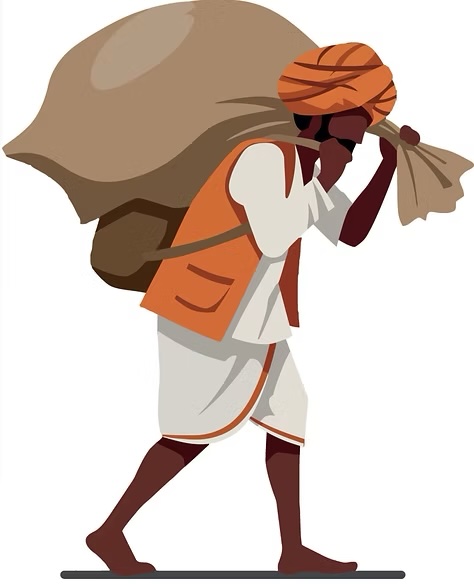
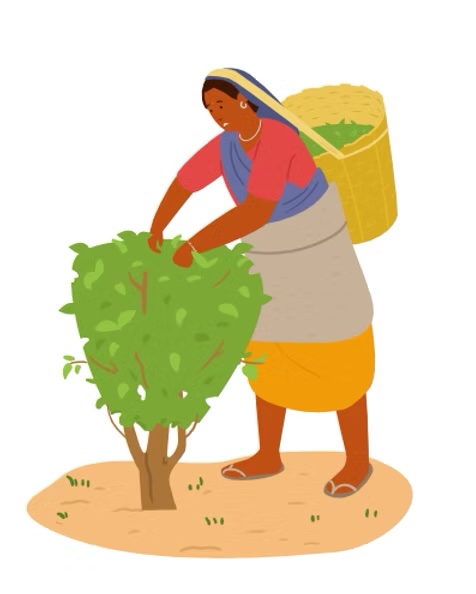
This myth denies the reality of the extremely demanding work performed by poor people. In India, they carry heavy loads all day in brick factories, work under harsh conditions in tea plantations or construction sites—jobs that would be prohibited in Europe due to their danger or difficulty. These positions are often offered by exploiting the vulnerability of the poorest and their need to earn an income: low wages and minimal social protection.
Blaming poverty on a lack of personal effort obscures the historical and structural roots of this condition: colonial legacy, persistent inequalities, the caste system, limited access to education, land, or economic opportunities. Poverty is not a choice, but often a vicious cycle: financial restriction, social exclusion, fragile health, lack of education… In this system, no alternative path is offered other than misery.
By adopting an increasingly fair vision, Howrah Service to the Poor works toward a society where the most disadvantaged are recognized, supported, assisted, and above all, loved.