
During the first week of May, Armelle visited HSP and spent one day in the slums with SMCS. She is sharing with us a powerful portrait of our SMCS unit and their actions for the poorest:
“The City of Joy” or “Slumdog billionaire” I don’t know if you read the book or saw those movies but today my presence with Arshana Didi and Sujana Didi at the Coal depo slum is just that.
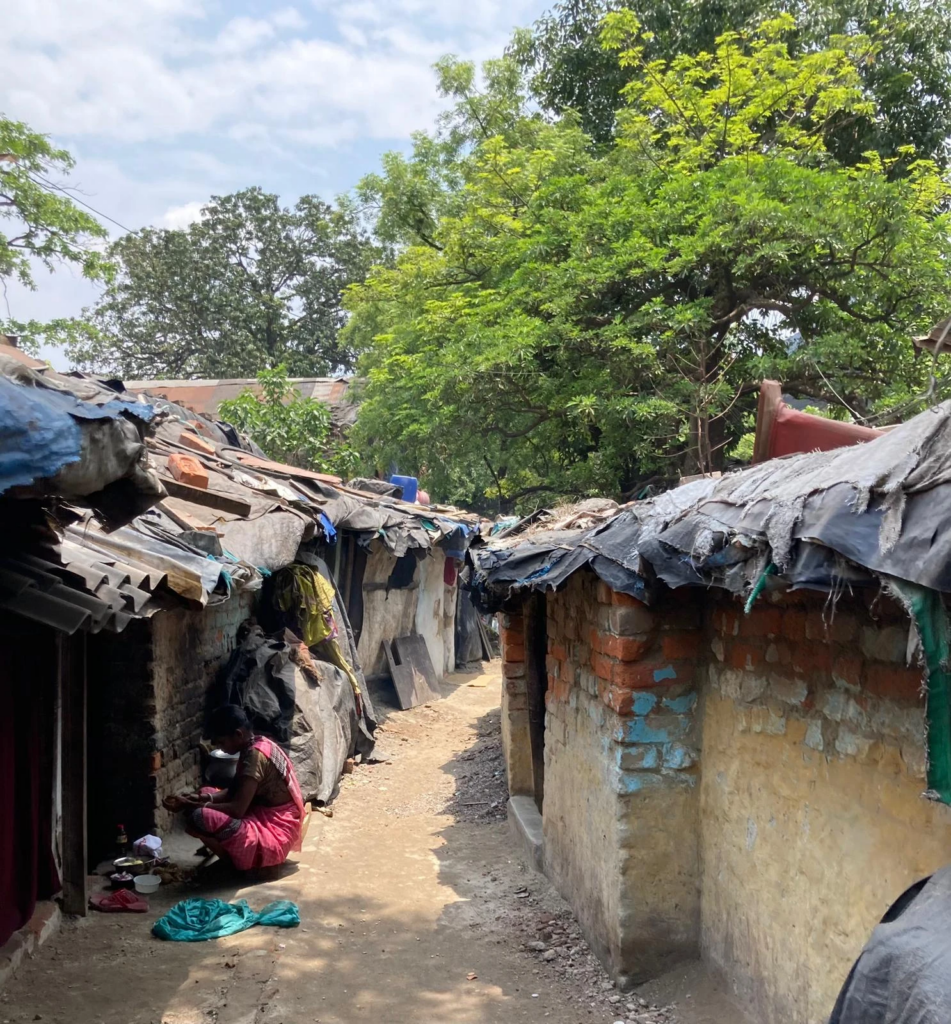
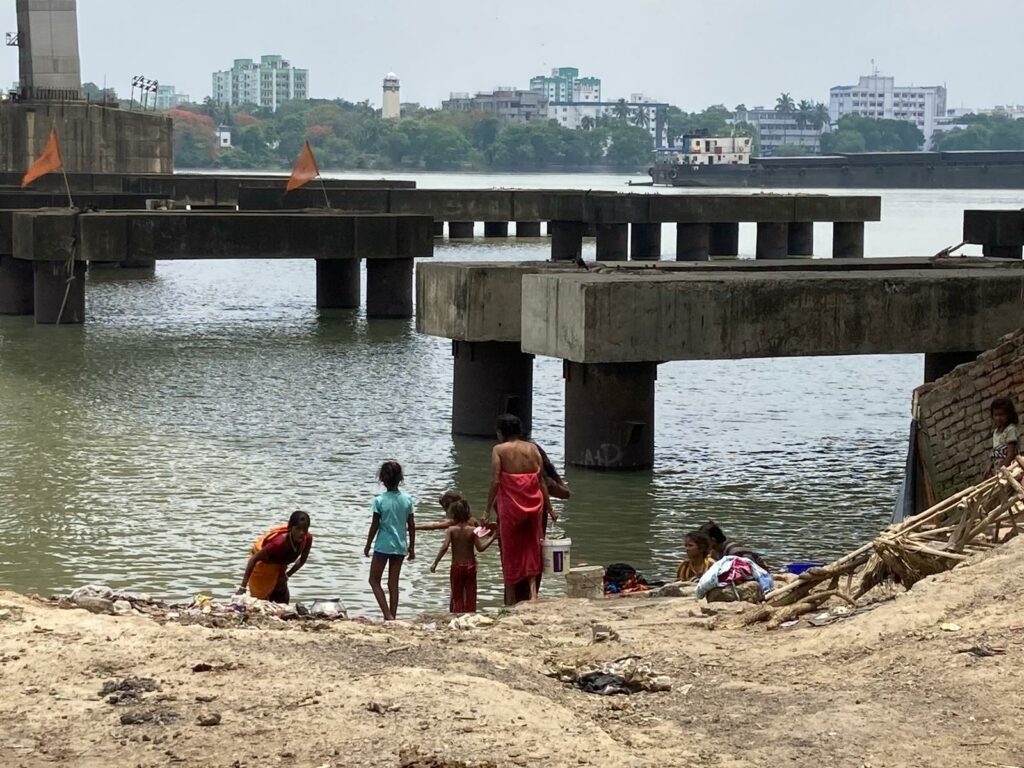
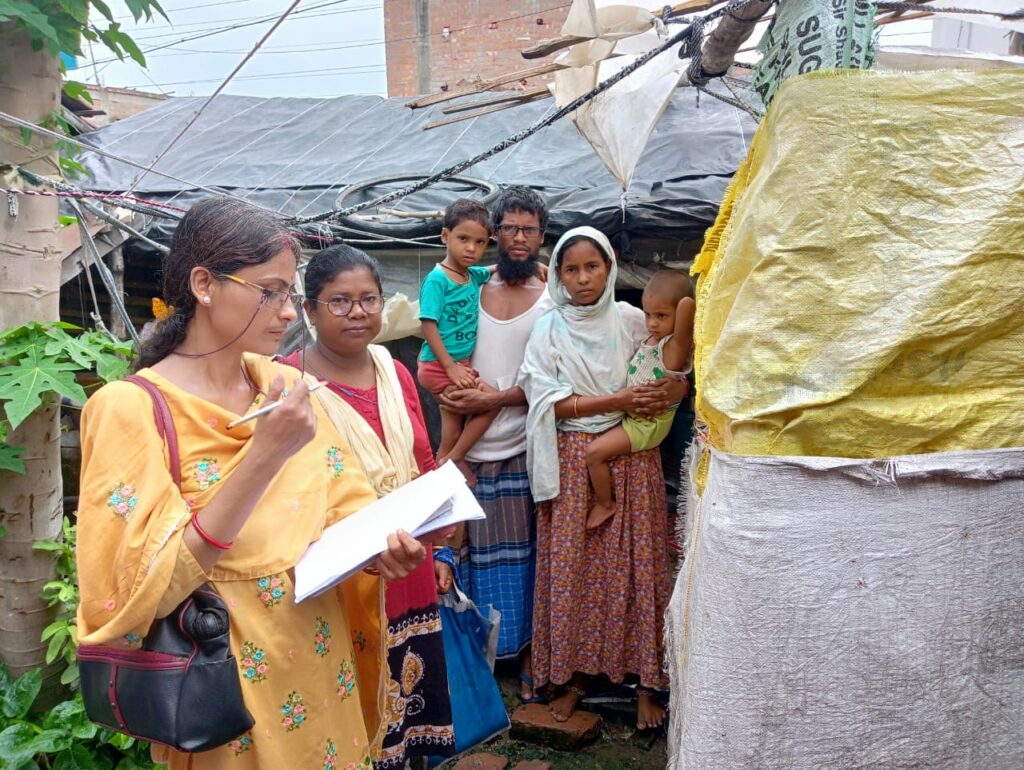
Located under the Howrah Second Bridge in front of Kolkata, this slum is made up of several neighbourhoods and the SMCS unit (“Safe Motherhood and Child Survival”) sends two people every day to visit the different areas.
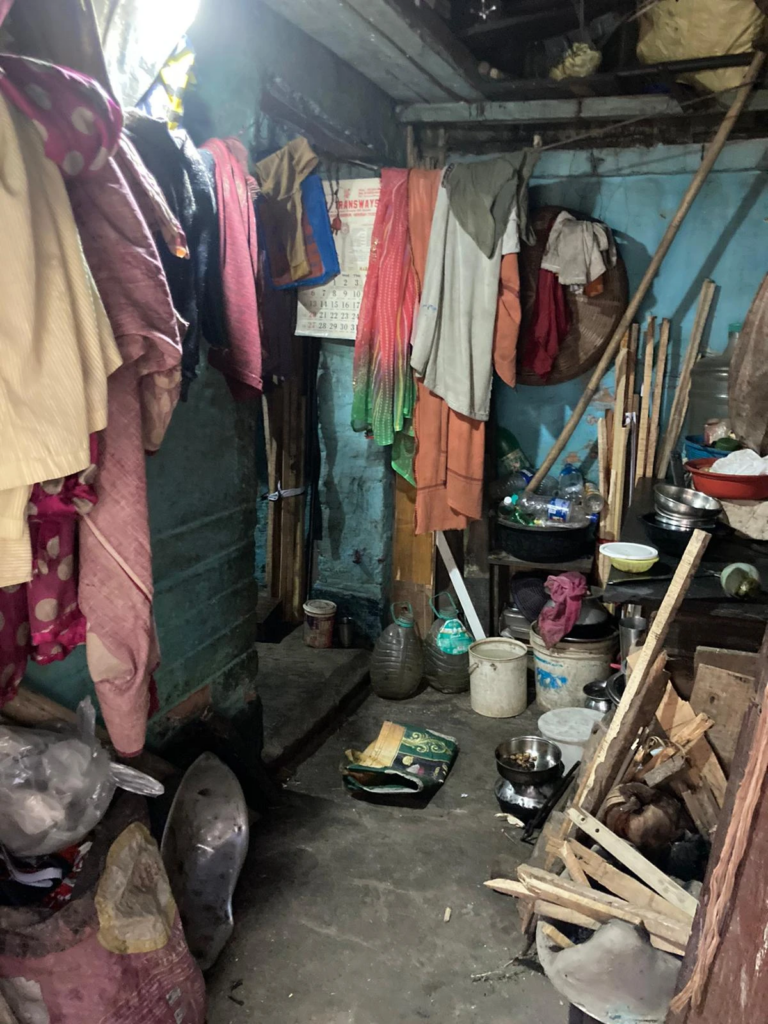
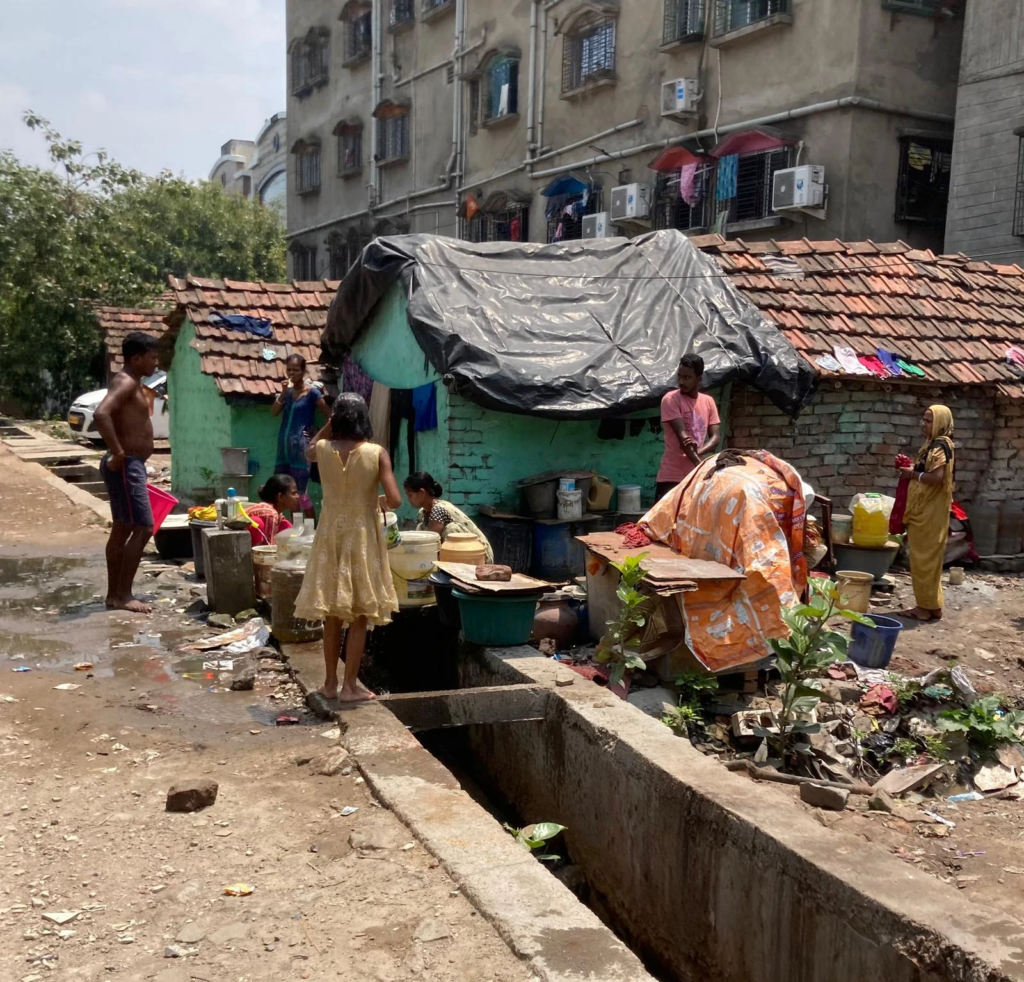
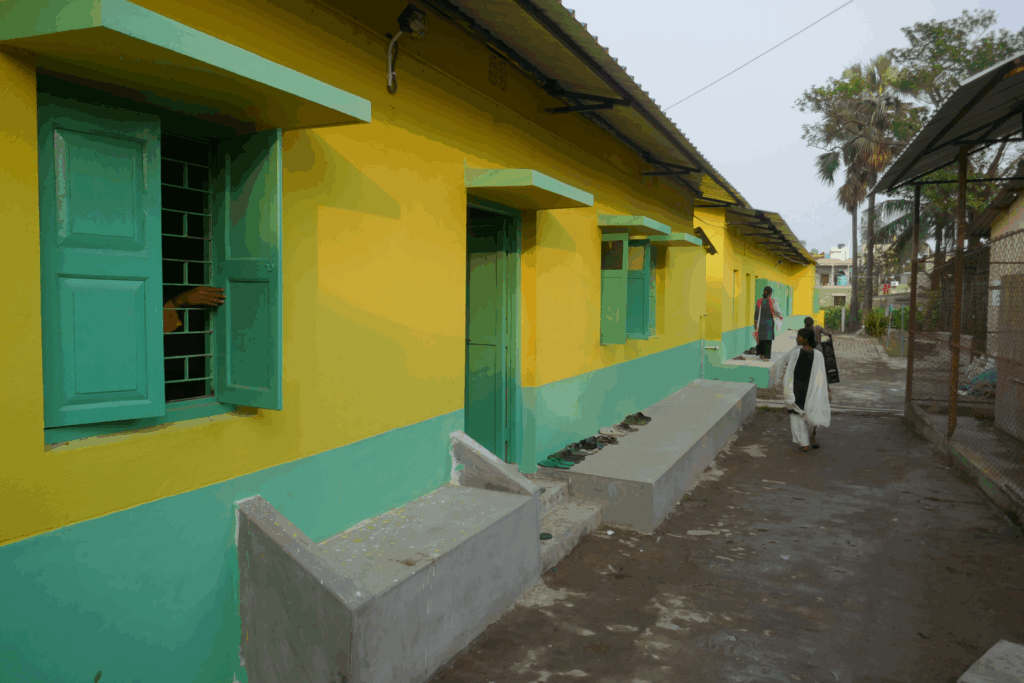
Today, in the neighbourhood we visit, around 200 families benefit from this support. It is essentially a follow-up of pregnancy, birth and growth of the child until the age of 3 to ensure that the child is not ill or underweight. This is an opportunity for the Didi to go to the families to check on hygiene and living conditions. Very often there is only one room: the cooking is done outside, the mattresses or straw mats are rolled up during the day and in the evening the parents squeeze in with the children… sometimes there is also a sick grandmother or mother-in-law who lies in bed all day… If access to healthcare is free in the government hospitals, you always have to push people to go there! There are only 2 wells for non-drinking water and 4 toilets for the whole district… how to maintain a correct hygiene?
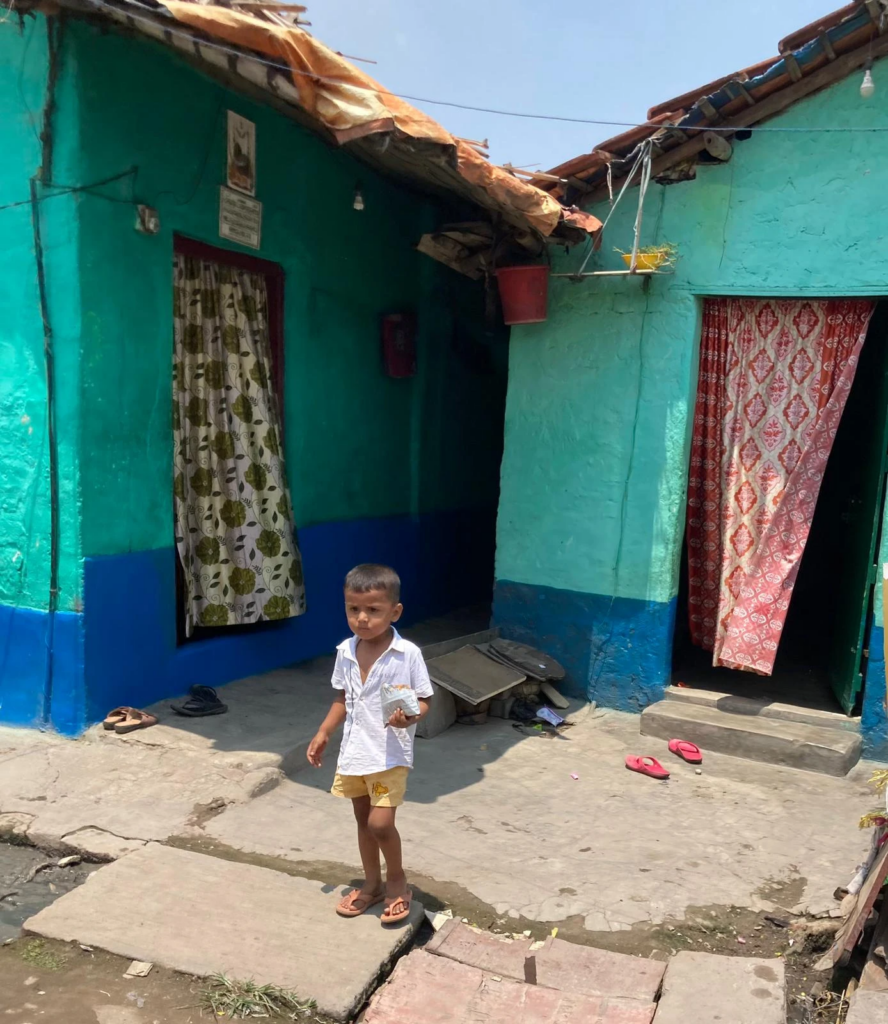
Misery is everywhere: but the smile on every face I meet, the pride in presenting their children or their house, the desire to invite me to lunch (even though they don’t have much) or to drink tea, are incredible prooves of generosity! Would we be able to open our doors and welcome unexpectedly a guest who doesn’t even speak our language? Besides, I wonder why I visit human misery at the end of the world when I don’t go to the Parisian slums…why?
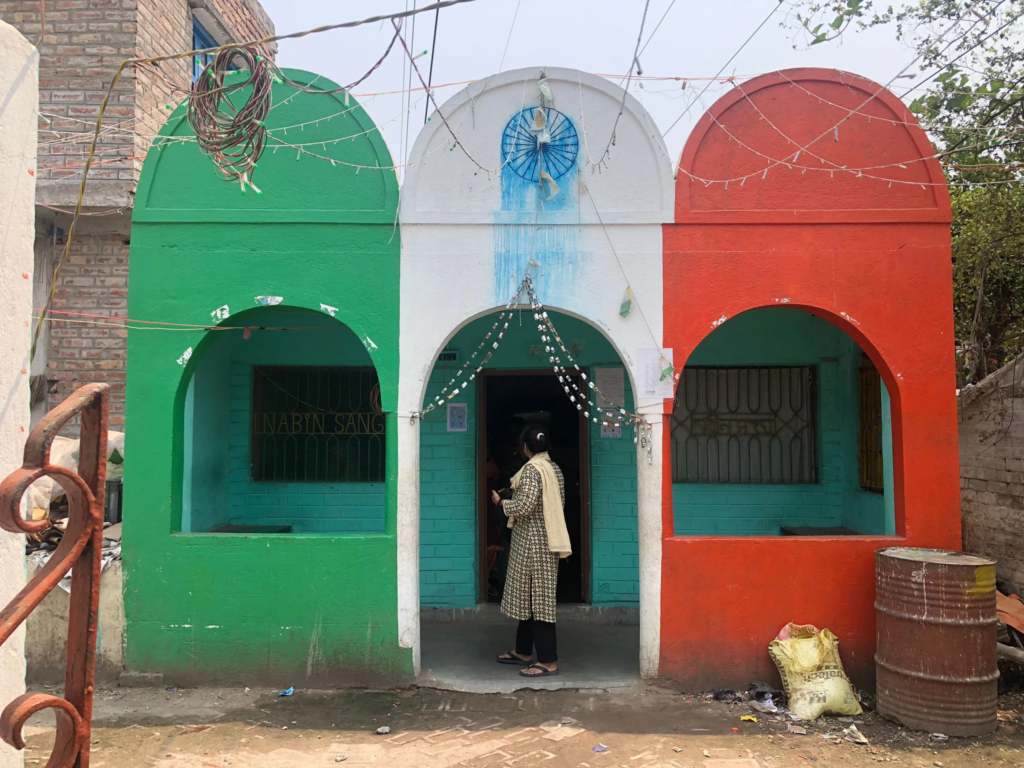
Here I don’t feel any aggressiveness or bitterness, I’m not alone of course and the presence of the Didi brings a human and warm comfort that the mothers appreciate. Moreover, they have a dedicated room: a place within their neighbourhood to meet and exchange with the Didis. The Didis are like big sisters or trustworthy women for the mothers in difficulty. They love their missions and are happy to serve and listen to the mothers.
It was a hot day when I visited and I didn’t miss my bottle of filtered water! But I don’t dare to imagine how these makeshift houses resist the monsoon rains? According to the Didis, it’s a disaster: everything collapses and goes into the water which floods a good part of the area. That’s probably why some people build a concrete bed a bit higher…
I’m not talking about waste management either: here, as everywhere in Asia, plastic is very present and burns quite badly. The heaps of rubbish pile up and form an additional insulation for the roof. Because when it’s hot, the heat is scorching on the metal roof sheeting.
Around me the children play and greet me happily, so happy to show that they know a few words of English “hello, what’s your name!” I am amazed that there is no wallowing in self-misery: no crying or shouting, no invective towards us or each other. Rather, I feel the presence of a highly developed community spirit where mutual help is present. These meetings were touching.
I was overwhelmed by this visit and was happy to be able to entrust all these poor people in my evening prayer in the home of Mother Teresa’s Missionary Sisters of Charity.