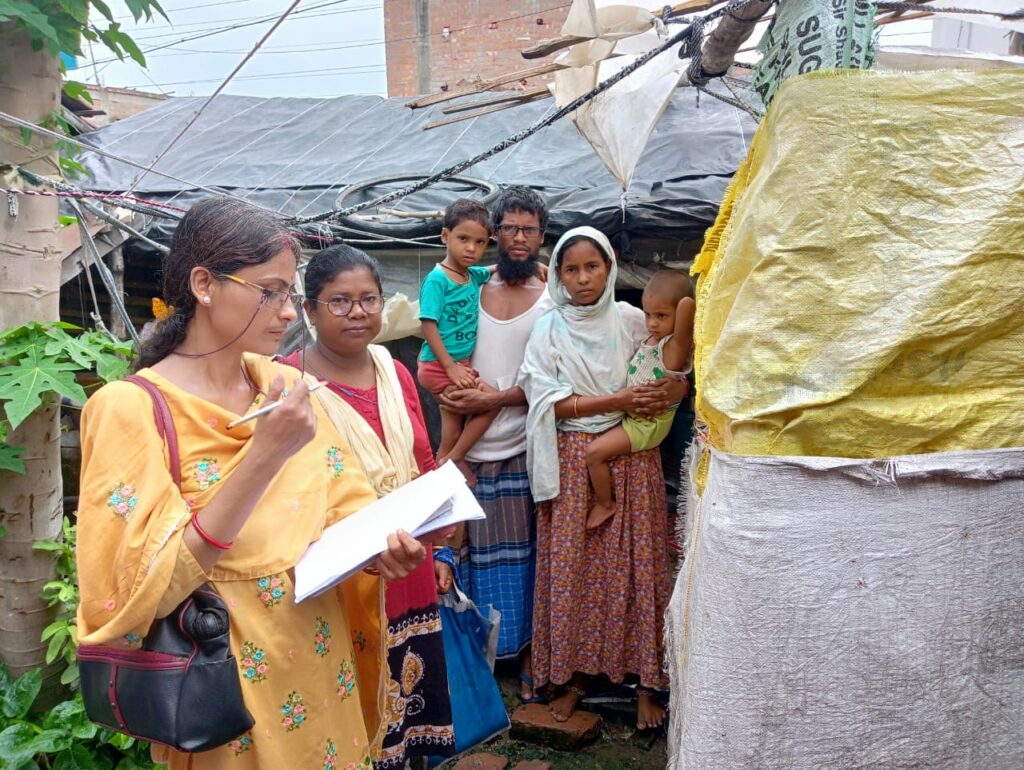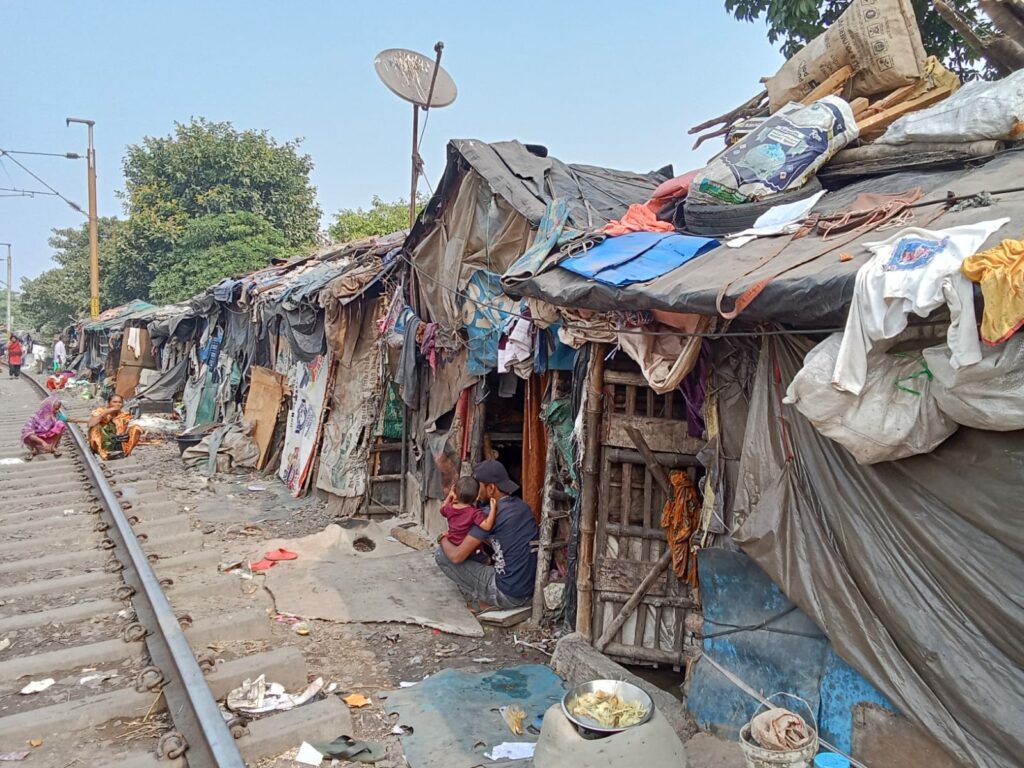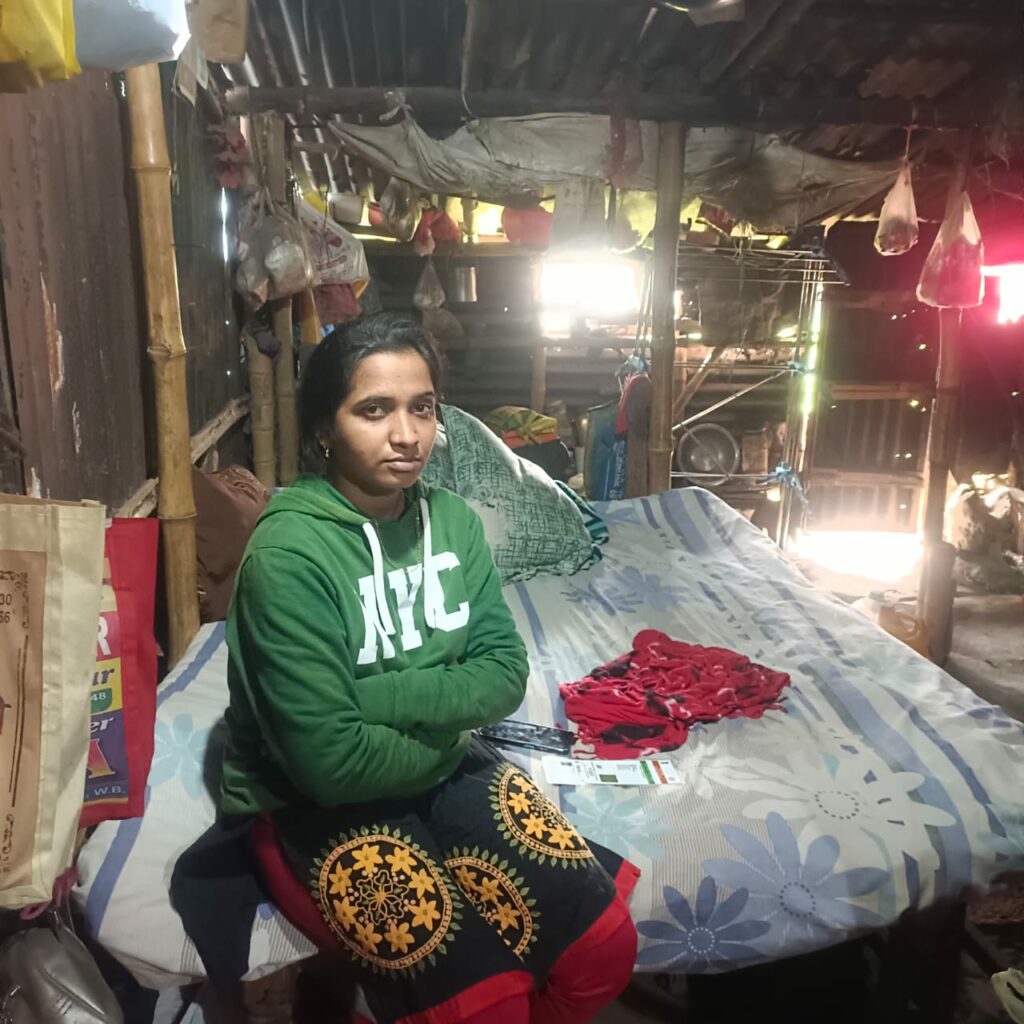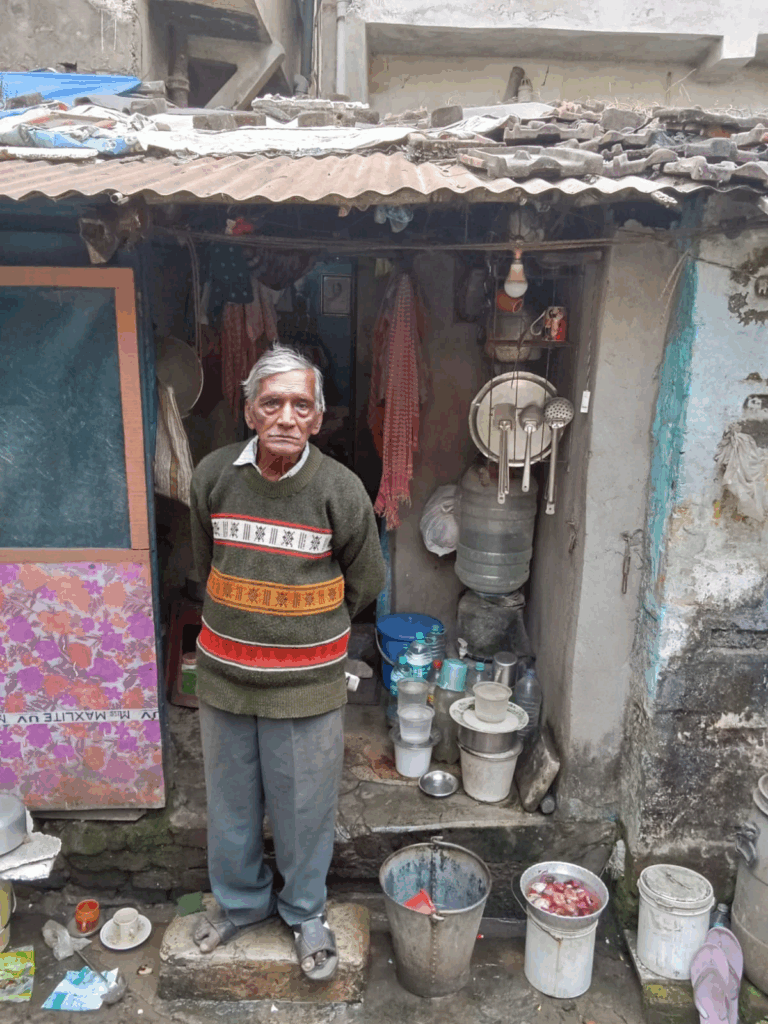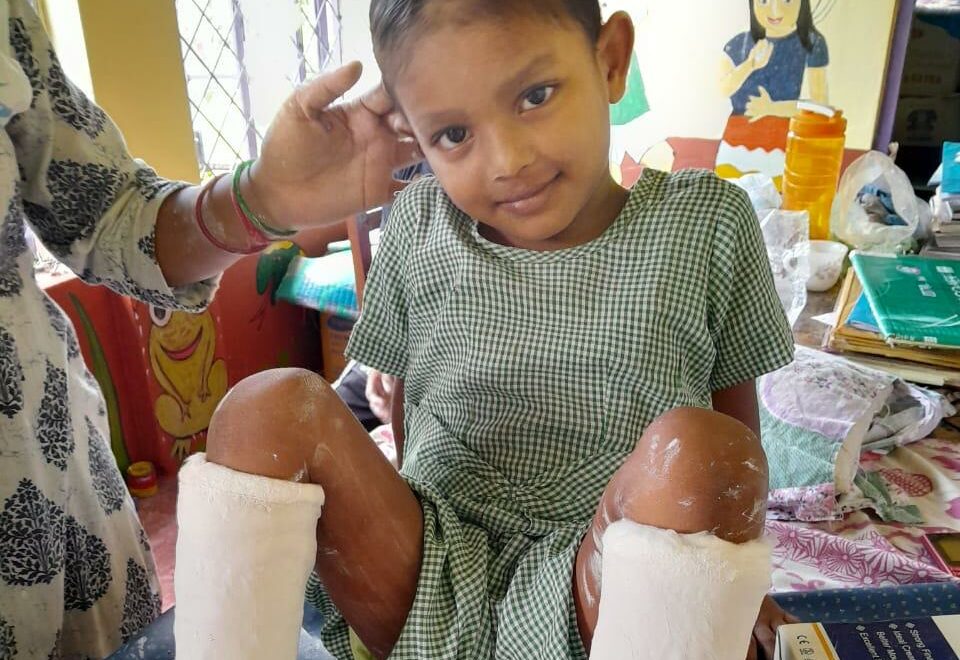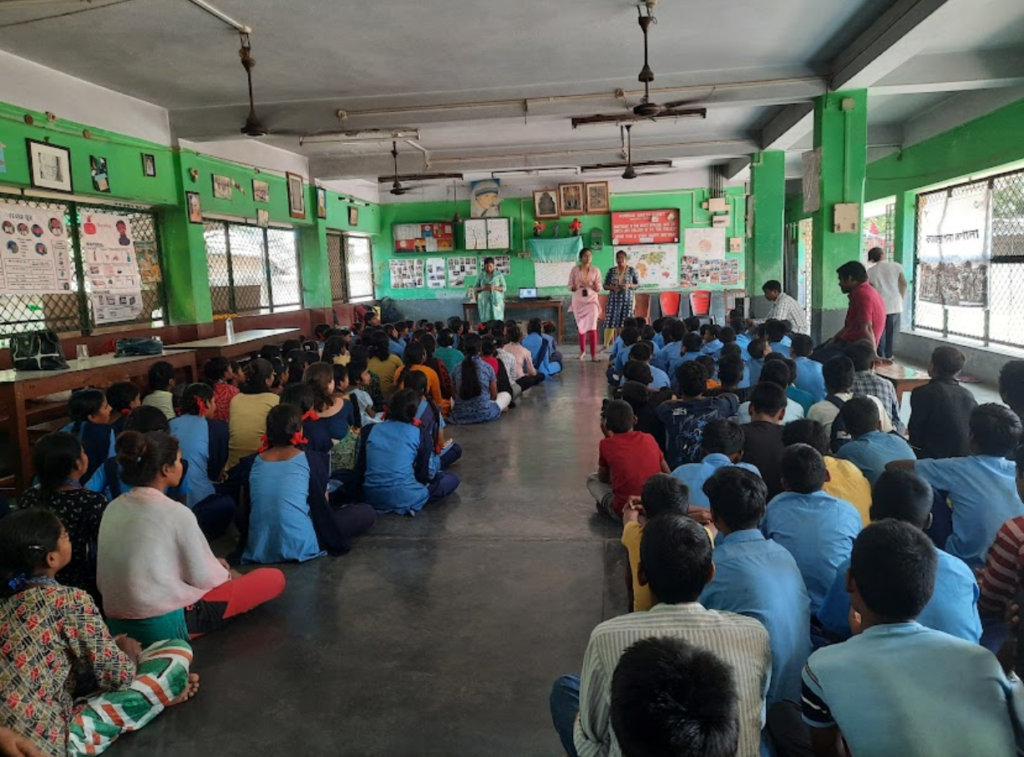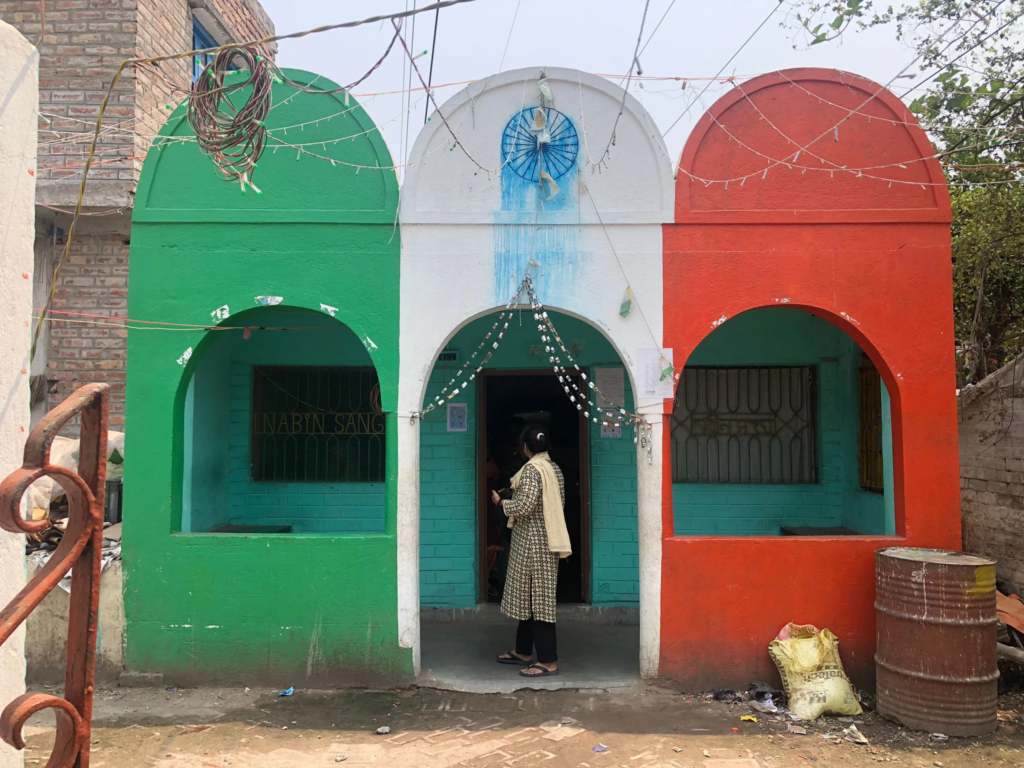

Home Visits is a project launched last year, divided into several phases. The principle is to send teams, composed of all HSP staff, to different areas of Howrah to visit the homes of the most underprivileged. In total, 21 teams of 5 people each participated in this project. The first phase took place in July and August, and the second phase took place in November and December.
The objectives of these Home Visits are multiple:
To strengthen HSP’s presence among the poorest
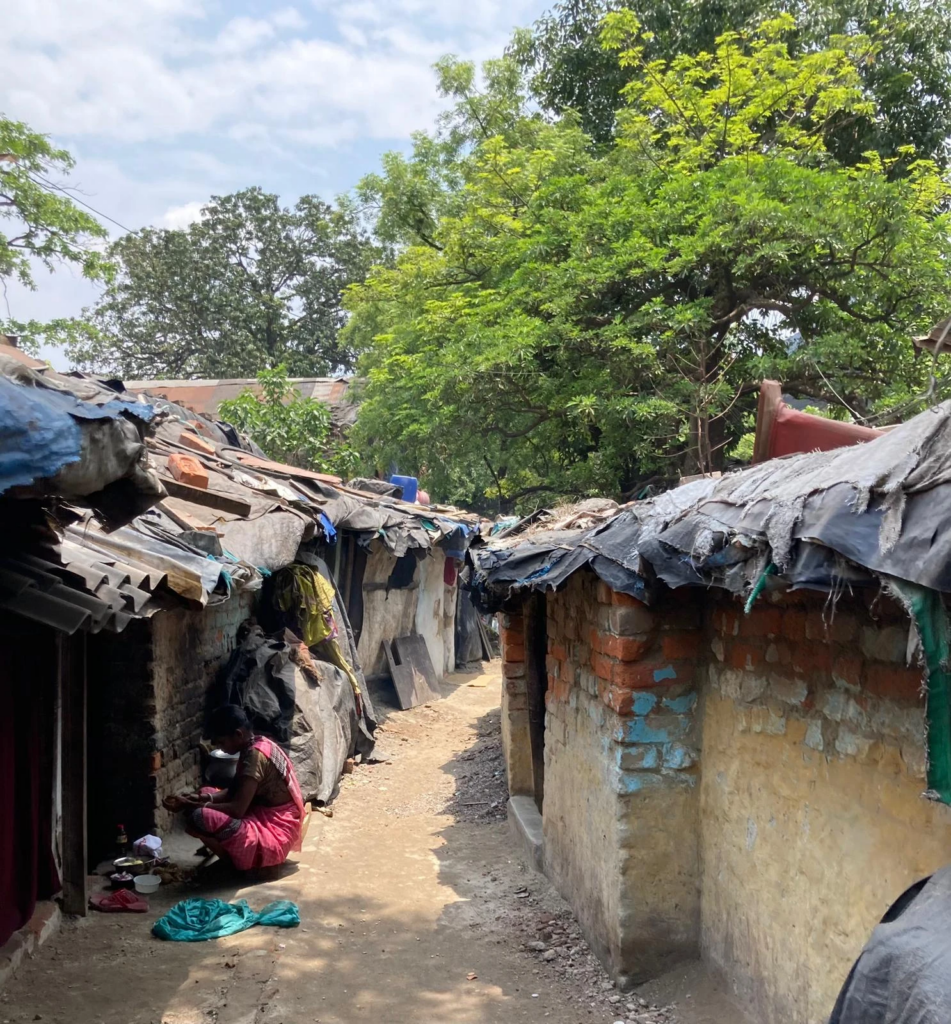
To reach the most underprivileged and identify areas in Howrah with high concentrations of poverty
To find new potential beneficiaries and admit them into HSP programs (SMCS, non-formal school, Homes, etc.)
To raise awareness among staff about the social situation of HSP beneficiaries
After a first phase rich in learning experiences,which allowed us to identify new beneficiaries, we realized that there was a greatdisparity in living standardsacross the visited areas. Based on this observation, some zones were prioritizedfor the second phase to reach the most underprivileged.
Thus, this second round was more precise, as out of 121 families visited, 82 were living below the poverty line, and 12 in extreme poverty. In contrast, during the first round, 181 families were visited, of which 83 were living below the poverty line, including 2 in extreme poverty. Additionally, the poverty criteria were refined. Indeed, during the visits, the teams took the time to talk with the families to assess their poverty level based on a rating system that considers multiple aspects of their situation. Here are these criteria:

A score out of 30 is assigned to each household visited, which helps create three categories. For scores between 10 and 15, families are considered to be in a vulnerable situation; for scores between 15 and 20, they are considered to be in poverty; and for scores above 20, they are classified as living in extreme poverty.
Each score is accompanied by comments to help understand the social situation of these families. Once the phases are completed, a report is written, and a series of actions are taken based on the teams’ observations. Some children will join our homes or one of our schools. Additionally, some families will benefit from our special aid program.
A third phase is already being prepared, with even more targeted areas.