
Physiotherapy in Bakuabari (Piu’ case story is at the end) :
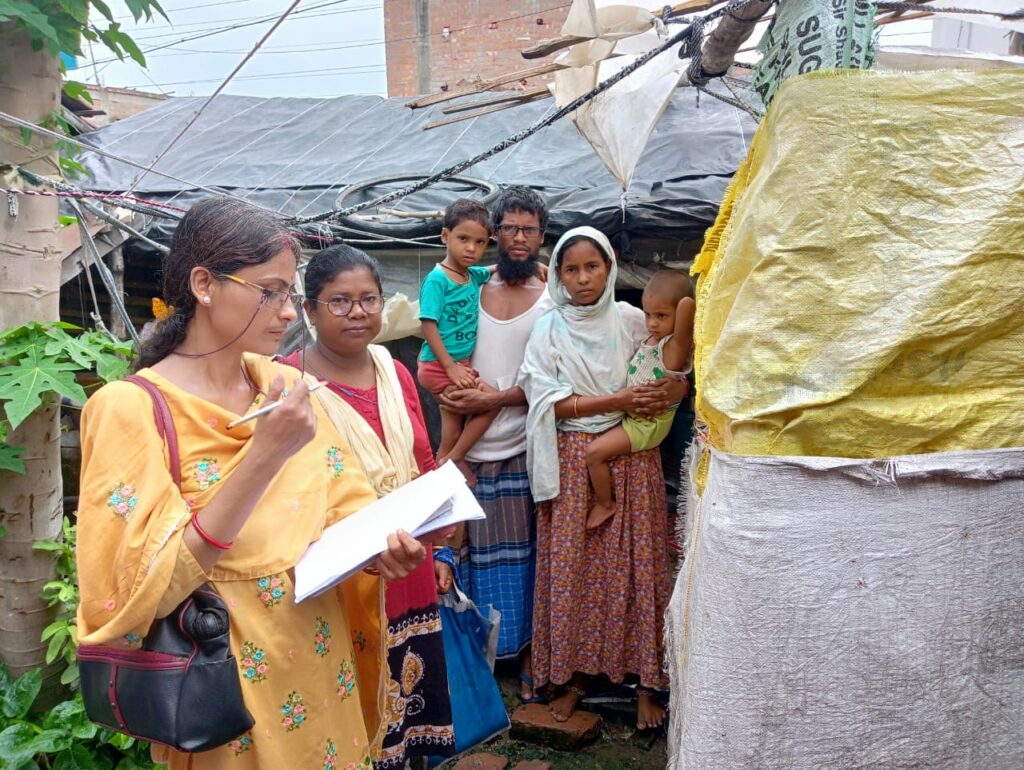
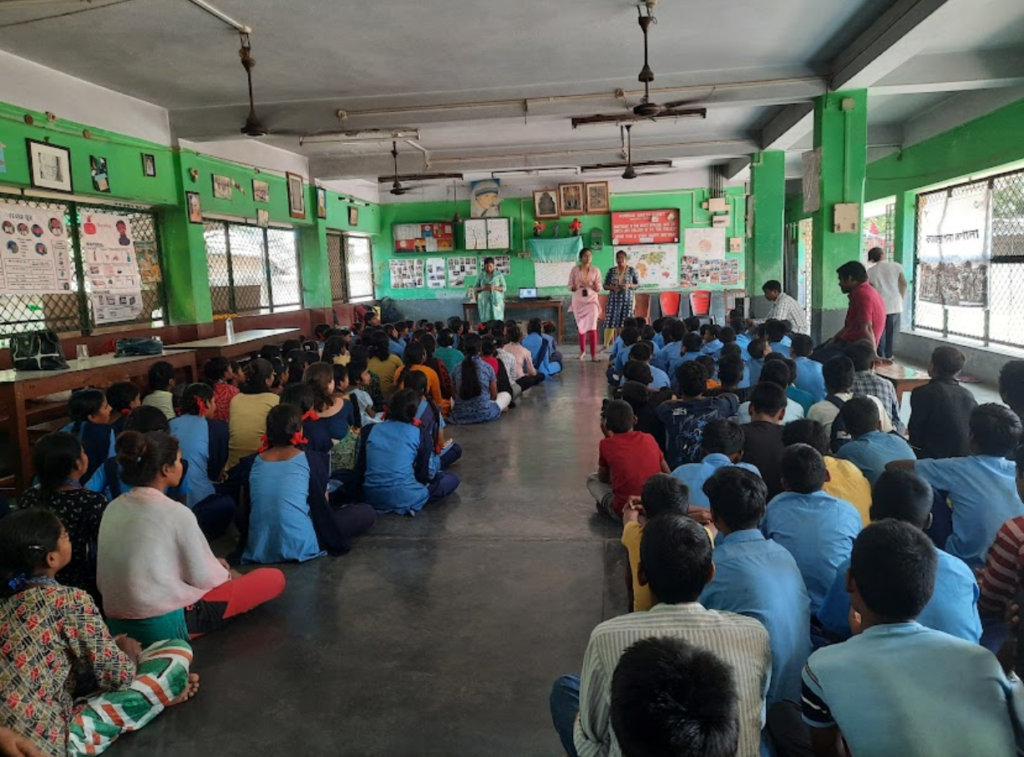
The health departments at HSP are an important part of what we do. One of these is the Bakuabari physiotherapy centre in Jalpaiguri where we look after indoor children from our homes, as well as outdoor children for regular sessions. Around ten staff are in charge of this department.
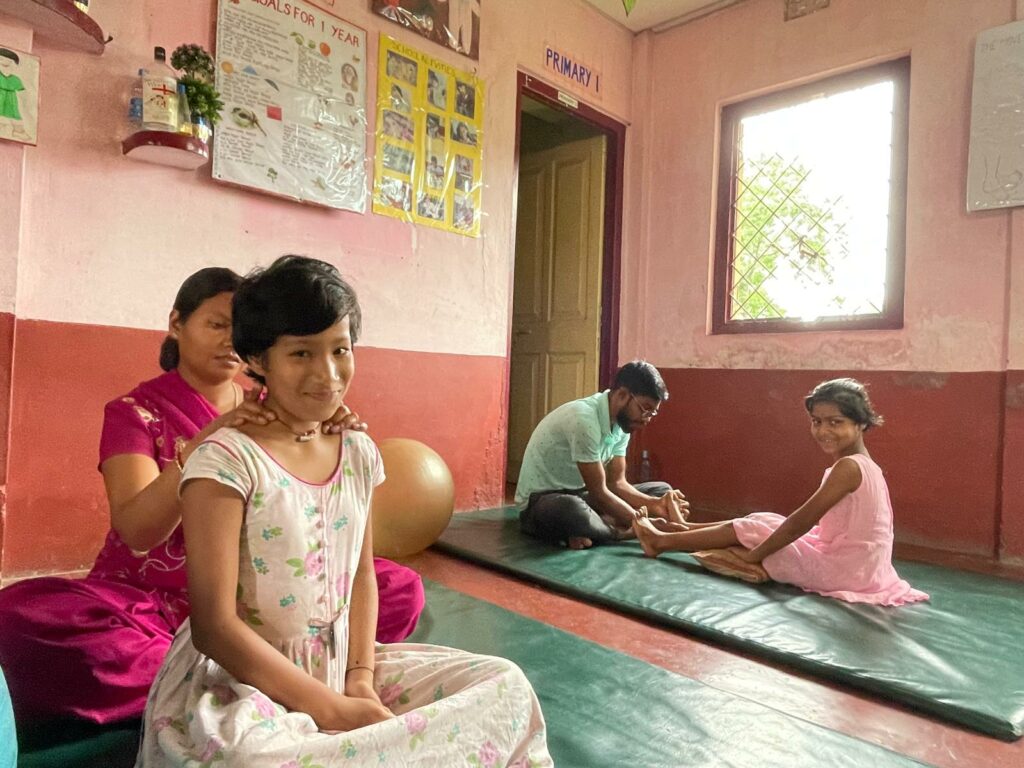
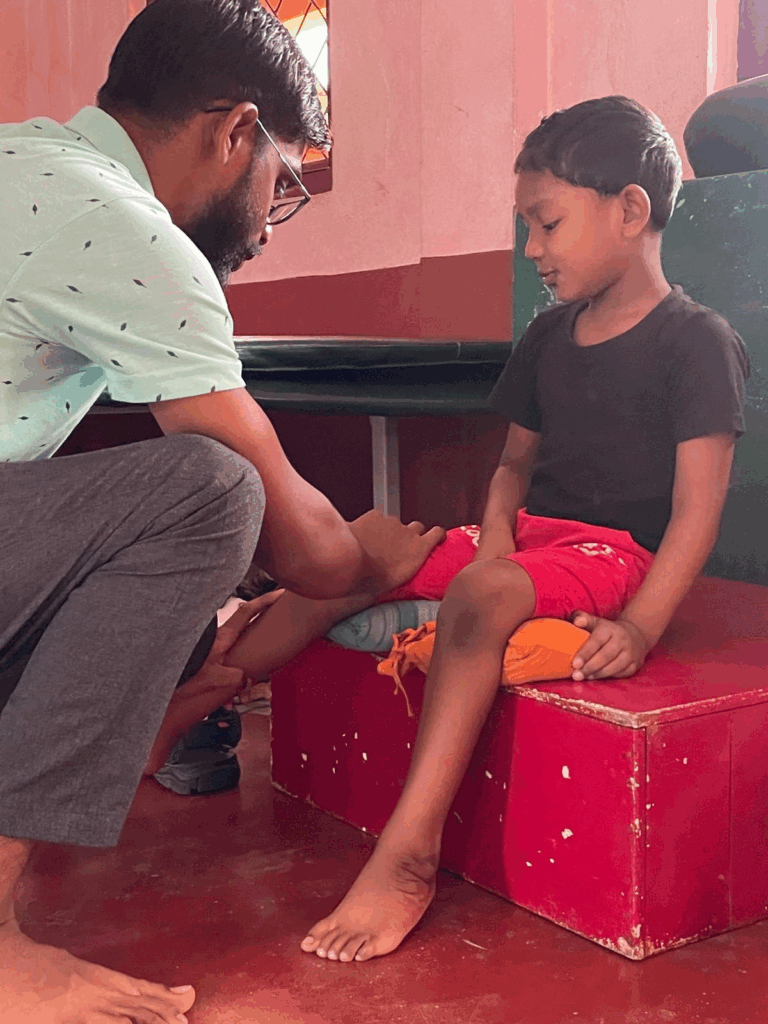
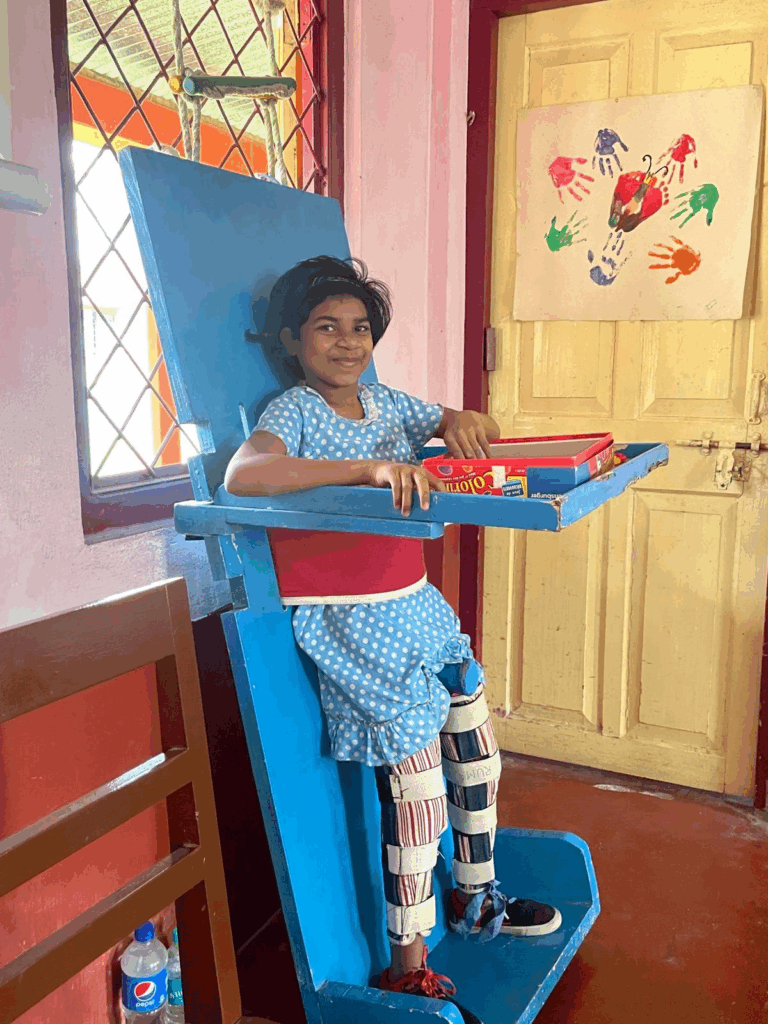
When they welcome a new child, they first take a time to observe and identify the problem. A visit to the doctor is also often made, to obtain information from him and to be able to keep diagnoses, prescriptions and so on in our child’s file. Nevertheless, identifying the child’s precise needs is not always easy, and is often done without the help of the doctor, who rarely gives indications on what to do. But over the years, some experienced didis have learnt to spot the various malformations and quickly find appropriate solutions.
After that, they set precise objectives for each child and put in place a programme to achieve them. Sometimes the necessary equipment is available (reusable wheelchairs, crutches, etc.), but sometimes the solutions are not immediate, because the equipment has to be adapted to the child’s needs (orthoses, for example). In this case, the didis go through the workshops responsible for manufacturing the equipment.
The physiotherapy programme then begins to re-educate and improve the child’s comfort and mobility. The didis may also observe difficulties in social relationship, learning or communication. If necessary, they can refer the child to our special school, which will be better placed to deal with such problems.
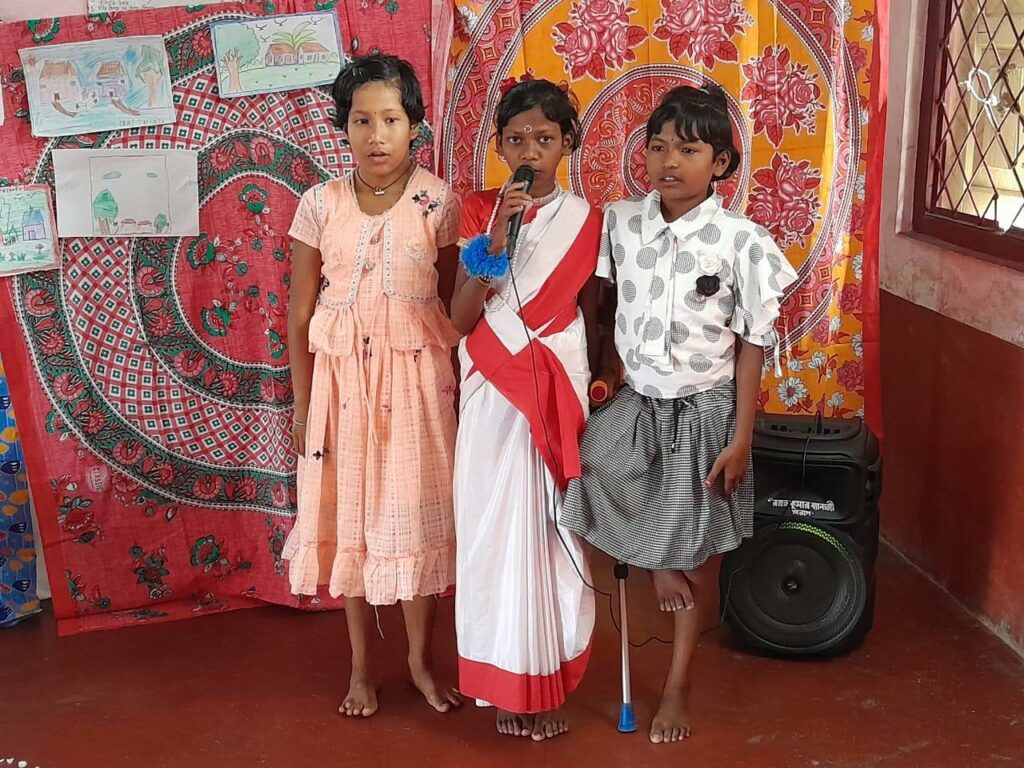
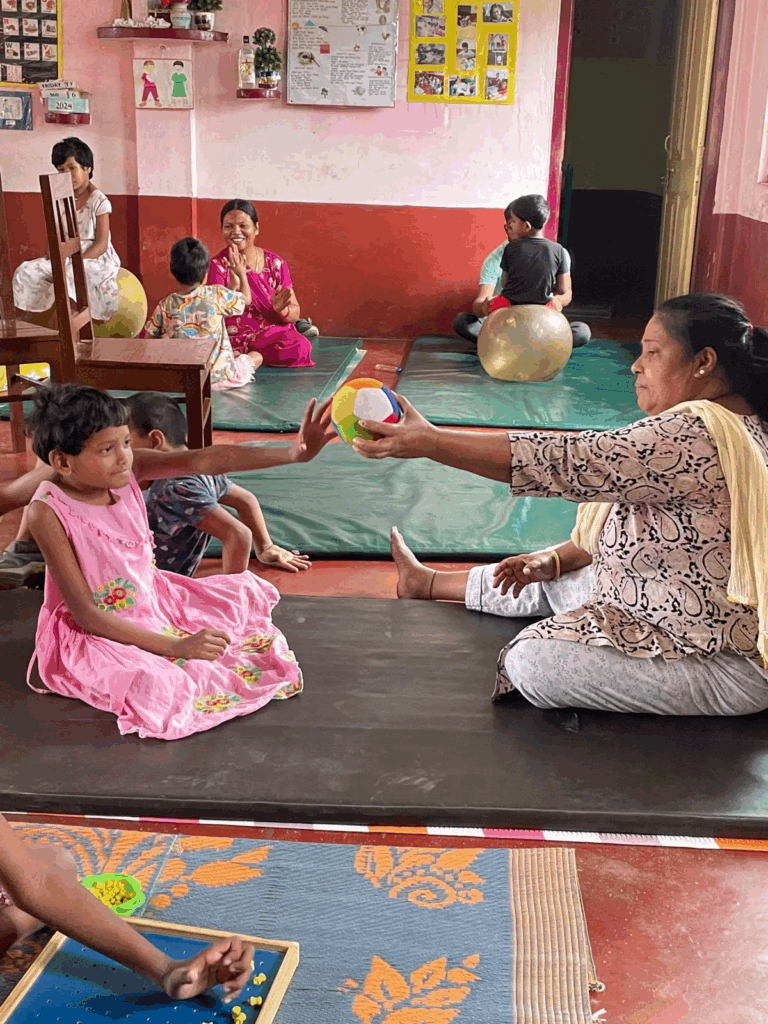
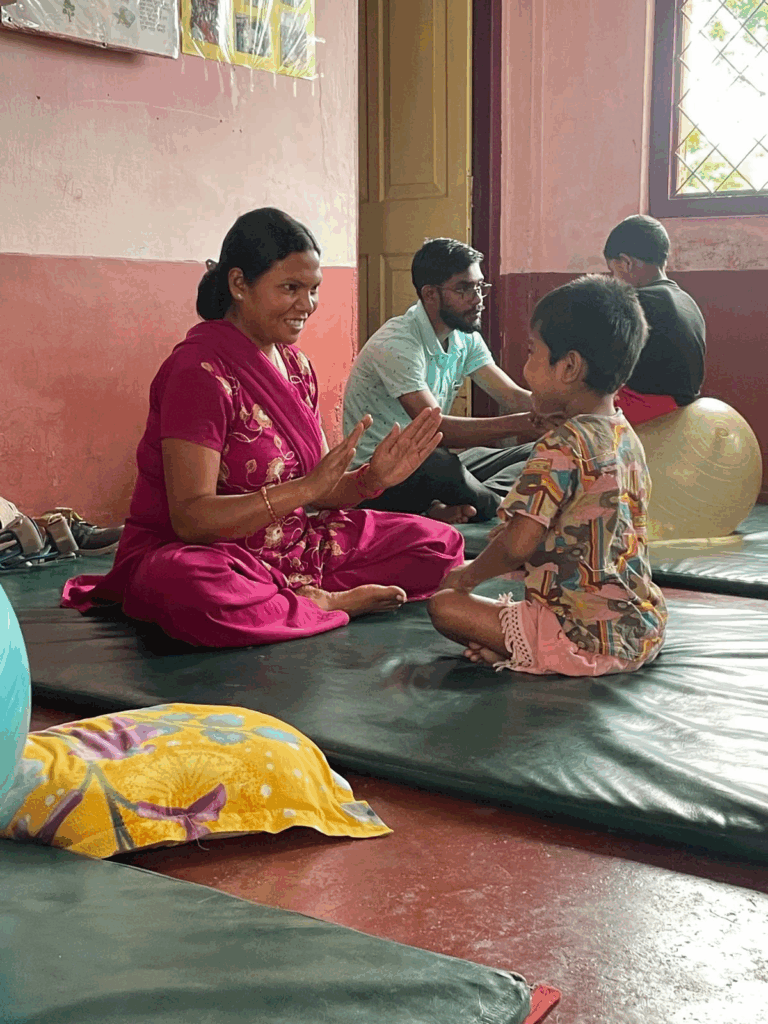
In some cases (bow legs, club feet, etc.), the child’s physical condition requires an operation or more extensive surgery. Often, they are brought to Calcutta to qualified hospitals. But in some cases, such as club feet with plaster casts, the didis take charge of the operation, with impressive results. Dalya di explain how she learnt. A few years ago, German orthopaedic surgeons working in partnership with HSP came to Jalpaiguri for several weeks to carry out operations in the countryside and tea fields, where there are many childhood deformities. When they operated, the didis assisted them, helped them and observed everything they did. They learnt by their side and little by little, the doctors let them take over. It’s been a few years now since they left, and these experienced didis are now on their own, passing on what they have learnt to the younger ones.
The best part, they say, is seeing the smile and joy of a child who couldn’t walk when he realises he can now.
Despite a lack of equipment and sometimes a lack of knowledge of modern techniques, the staff in this department continue to receive regular training, giving dozens of children back their mobility, independence and joy every day.
The case story : Piu learns to walk again !
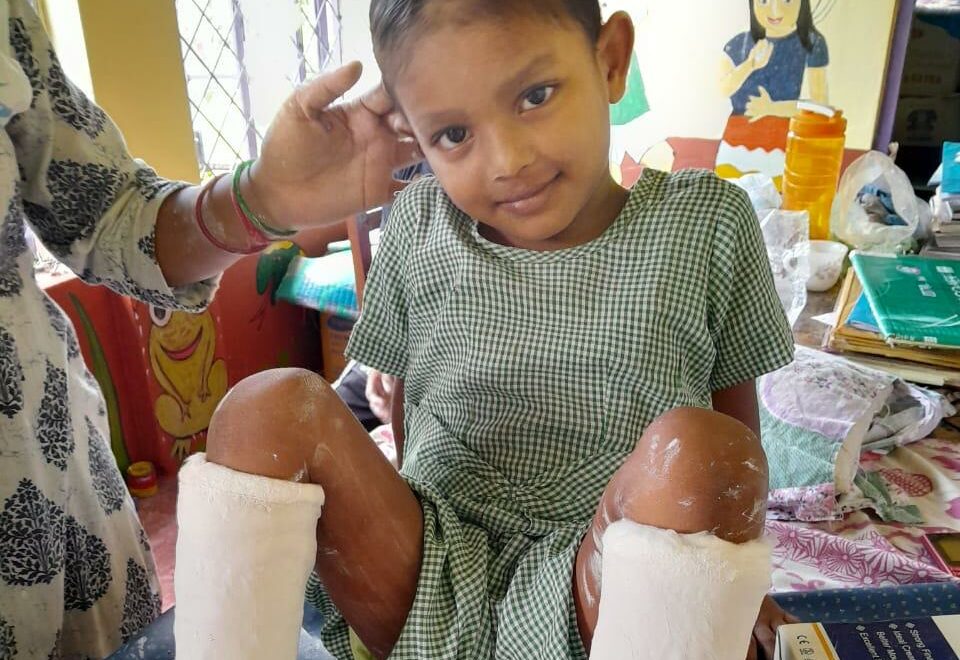
Piu is almost 6 years old and has been living in Nirmala Nivas’ Bakuabari home since June 2023. Fatherless, she lived in very precarious conditions with her mother and maternal grandparents on the tea plantations. Piu was born with a deformity known as clubfoot (see explanation below).
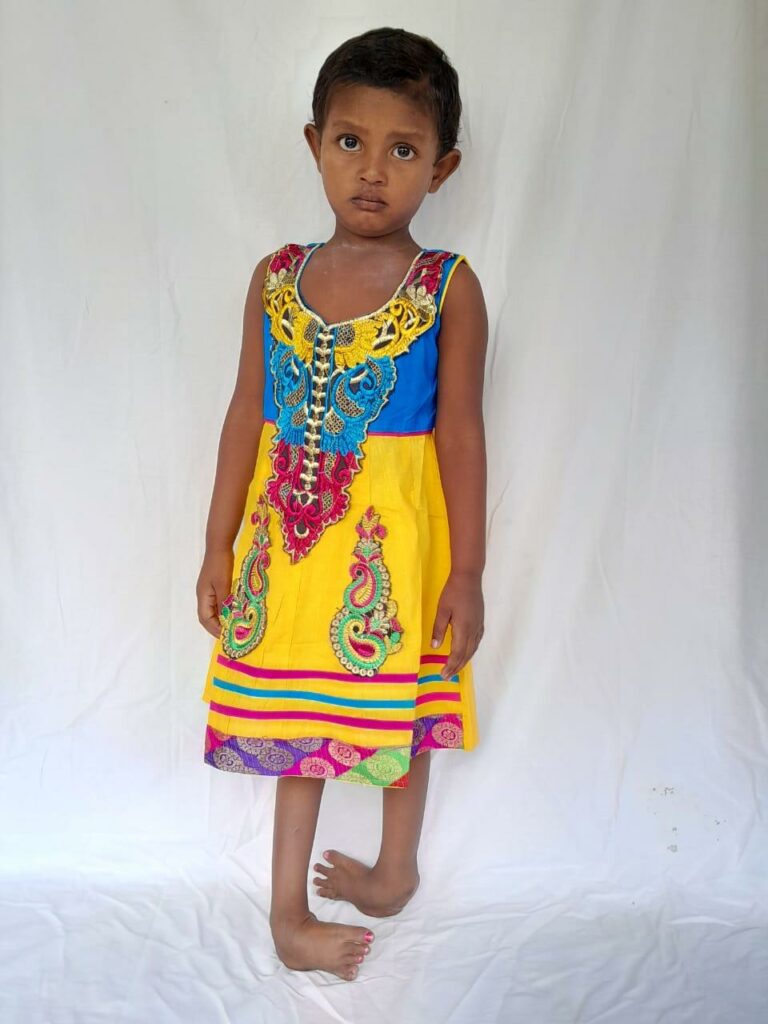
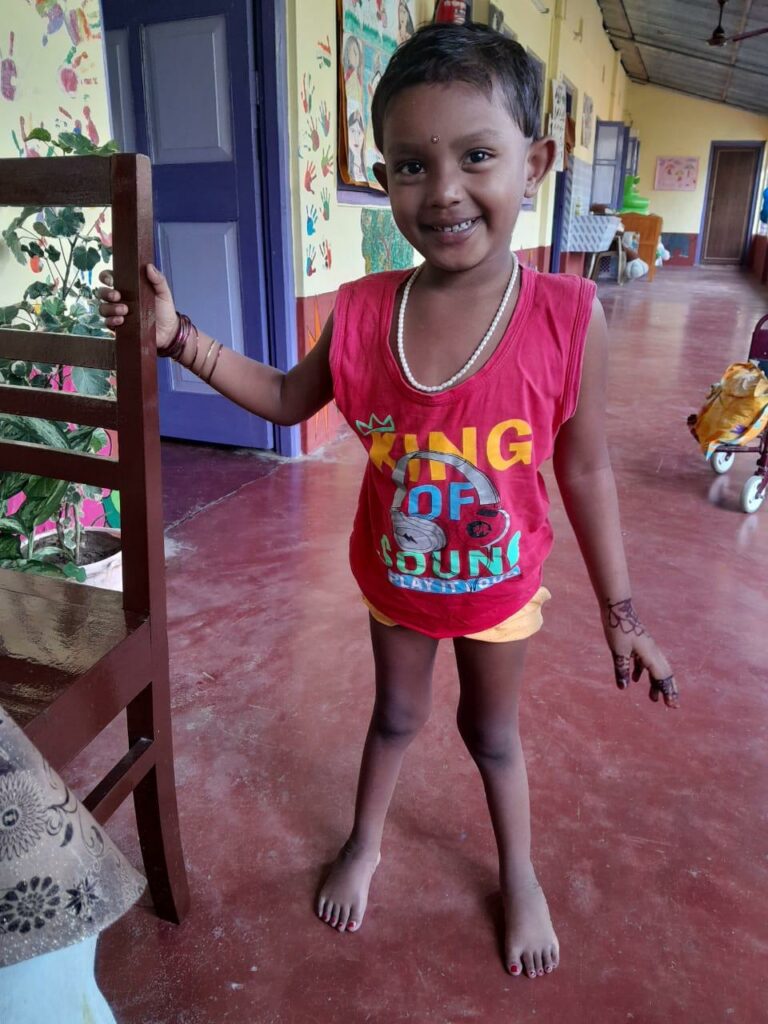
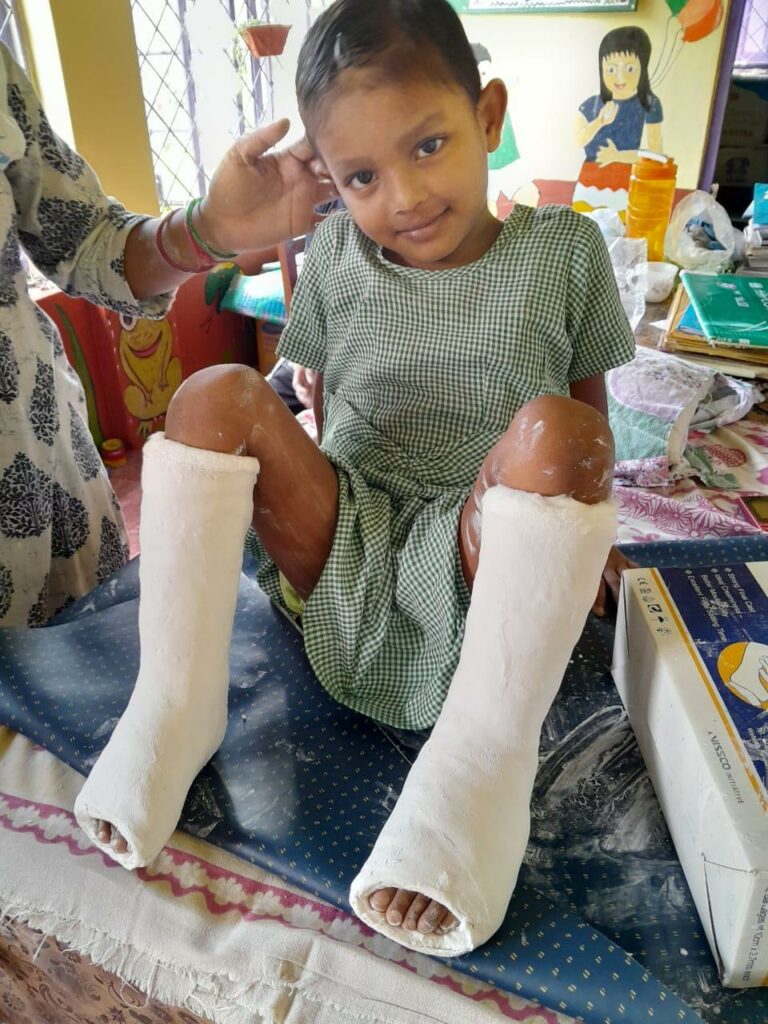
At the end of August 2023, after two months of adapting to our Bakuabari Home, Piu’s treatment was able to begin: It consists of a succession of casts to straighten the child’s foot. Each cast remained in place for about a week, sometimes 10 days, and then was replaced with another. Thus, 7 different plasters were placed on him during about 2 months. And the result is incredible! In such a short time; This little girl’s life has completely changed. Obviously, the work is not over: she has to wear orthopedic boots, and intense physiotherapy sessions await her to soften her tendons and joints and teach her to keep a good posture. For the time being, all of this remains fragile and Piu cannot go to school normally. But Dalyia is very satisfied with the result, and confident that an operation will not be necessary in her case. Piu moves almost normally and doesn’t take her smile off.
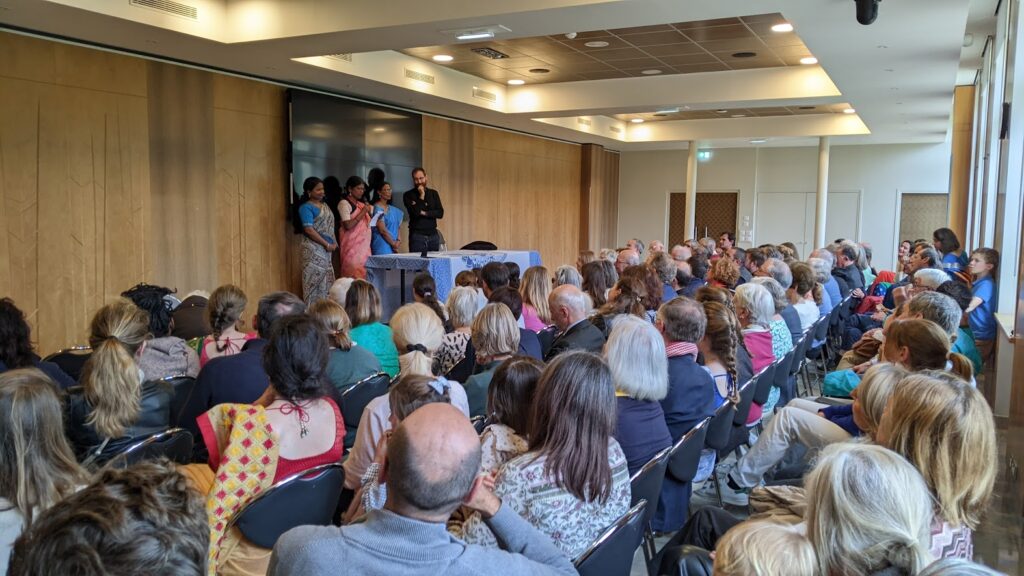
Thanks to our TDHA partnernship and all our donors, many children can look forward to their future in a better light.
- Clubfoot
Clubfoot is a congenital abnormality of foot development. It affects 1 in 800 babies worldwide; 90% live in developing countries with difficult access to treatment. Clubfoot is very disabling for walking, and obviously a source of discrimination. This malformation can be hereditary, but also due to neurological dysfunctions in utero, sometimes linked to environmental factors, such as exposure to pesticides. The treatment of clubfoot is based on a method called “Ponsetti” which consists of a succession of casts to restore the foot to its normal shape: Sometimes it is necessary to consider an operation, especially at the level of the Achilles tendon.